Affiliate Networks Reshaping Access to Layered Incentives Across Racing and Soccer Markets
Lars Bauer · Jun 16, 2026

Affiliate Networks Reshaping Access to Layered Incentives Across Racing and Soccer Markets
Affiliate networks have expanded their reach in recent years by connecting bettors directly to structured incentive programs across horse racing and soccer betting platforms, and data from industry reports show these networks now manage a growing share of promotional traffic in both sectors. Observers note that platforms use affiliate channels to deliver welcome bonuses, deposit matches, free bet credits, and cashback layers that stack according to user activity levels, while June 2026 brought fresh regulatory adjustments in several European markets that prompted networks to refine their compliance filters and payout structures.
How Affiliate Networks Structure Access
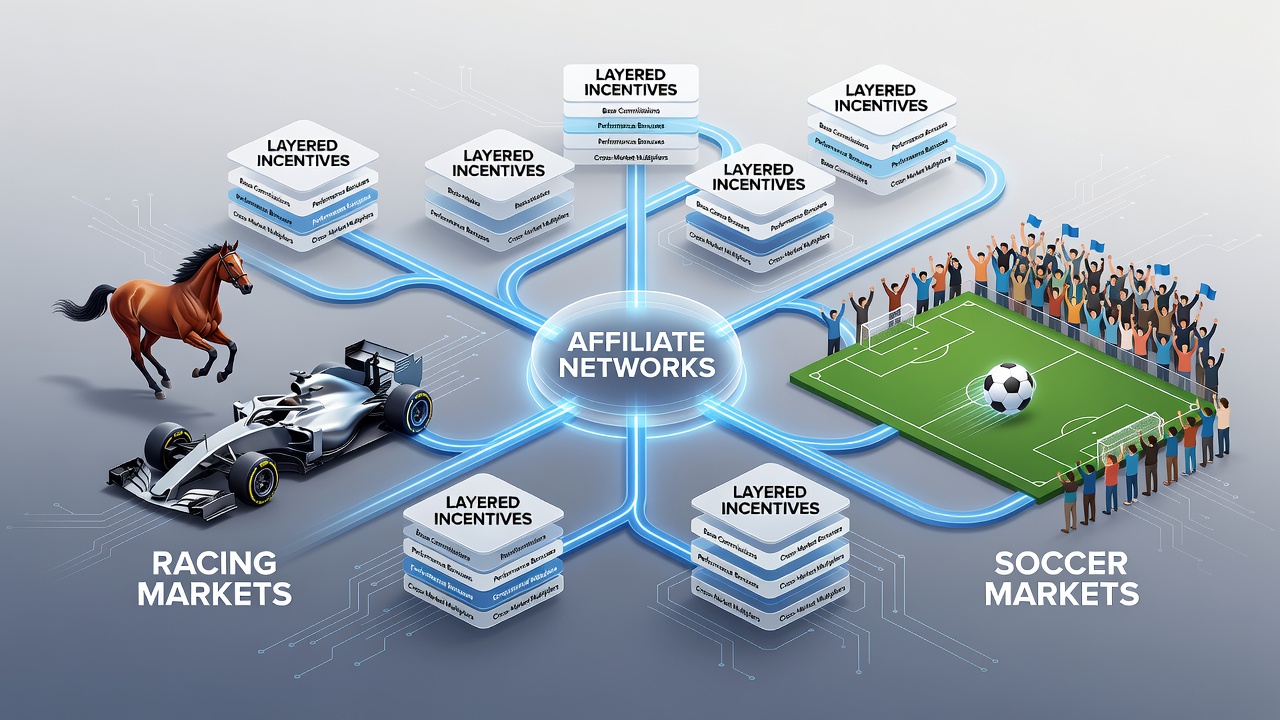
Networks aggregate offers from multiple operators and present them through comparison tools, email campaigns, and dedicated portals, which allows users to review eligibility requirements and redemption paths in one place rather than navigating separate bookmaker sites. Research from the European Gaming and Betting Association indicates that such consolidation reduces the time bettors spend locating promotions and increases conversion rates for operators who participate in network programs, and layered incentives typically begin with an initial sign-up reward followed by recurring deposit boosts, loyalty points, and performance-based cashback tiers tied to betting volume on racing events or soccer matches.
Those who track user behavior report that networks often segment audiences by sport preference, so racing-focused affiliates highlight accumulators and each-way bonuses while soccer-oriented channels emphasize goalscorer specials and match-day free bets, and the same user may encounter different incentive stacks depending on the network path they follow.
Layered Incentives in Racing Markets
Horse racing promotions delivered via affiliates frequently combine an upfront free bet with ongoing rewards such as enhanced place terms, refund credits on placed horses, and weekly cashback calculated on net losses during festival weeks or regular meetings. Figures from Australian regulatory filings show that affiliate-driven traffic accounted for measurable increases in promotional redemptions during major carnival periods, while networks adjust their messaging ahead of events like Royal Ascot or Melbourne Cup to match the timing of operator campaigns.
Payment processing for these layered offers relies on tracking cookies and unique affiliate codes that record the user's journey from network click to deposit and subsequent bets, and operators settle commissions to networks only after qualifying activity thresholds are met.
Layered Incentives in Soccer Markets
Soccer betting incentives accessed through affiliate networks often include accumulator boosts, cash-out insurance, and loyalty programs that unlock higher reward tiers after a set number of settled bets on leagues such as the Premier League, La Liga, or Serie A. Industry data compiled by Canadian gaming research groups reveal that soccer promotions tend to feature shorter validity windows tied to weekend fixtures, which encourages networks to send targeted reminders that keep users engaged across multiple matchdays.
Networks also bundle soccer incentives with racing offers during overlapping seasons, allowing a single user account to qualify for cross-sport bonuses when activity spans both markets, and this approach has gained traction because operators seek to increase overall engagement rather than isolating traffic by sport.
Regulatory and Compliance Shifts in 2026
By June 2026 several jurisdictions outside the UK had updated affiliate disclosure rules and responsible gambling tagging requirements, prompting networks to embed clearer risk warnings and age-verification prompts within their promotional flows. Reports from the New Jersey Division of Gaming Enforcement note that operators and their affiliate partners must now log consent records for each incentive tier presented to users, which adds an extra verification step but maintains the layered structure of rewards once compliance is confirmed.
Networks that operate across borders have adapted by creating region-specific landing pages that filter offers according to local rules, and this segmentation helps maintain access while avoiding conflicts with varying advertising standards.
Tracking and Payout Mechanics
Commission models within affiliate networks for racing and soccer incentives usually combine revenue share percentages with flat fees for qualified sign-ups, and performance data shared by academic studies from the University of Nevada show that networks using hybrid models achieve steadier payouts for affiliates because they balance one-time acquisition rewards with ongoing revenue from active bettors. Users benefit when networks display transparent terms that outline wagering requirements attached to each incentive layer, reducing the chance of mismatched expectations after the initial claim.
Real-time dashboards provided by some networks let affiliates monitor which racing or soccer promotions are converting at higher rates, allowing quick adjustments to campaign focus without altering the underlying operator offers.
Conclusion
Affiliate networks continue to serve as intermediaries that organize access to stacked incentive programs in horse racing and soccer betting, and their role has grown more structured following the regulatory updates observed in June 2026. Data from multiple international sources confirm that these networks streamline discovery and redemption processes while operators retain control over the specific reward layers offered to different user segments. The mechanics of tracking, compliance, and payout distribution remain central to how these systems function across both markets.