Biometric Systems Reshaping Entry to Multi-Tiered Offers at Regulated British Betting Platforms
Blake Schmid · May 31, 2026
Biometric Systems Reshaping Entry to Multi-Tiered Offers at Regulated British Betting Platforms
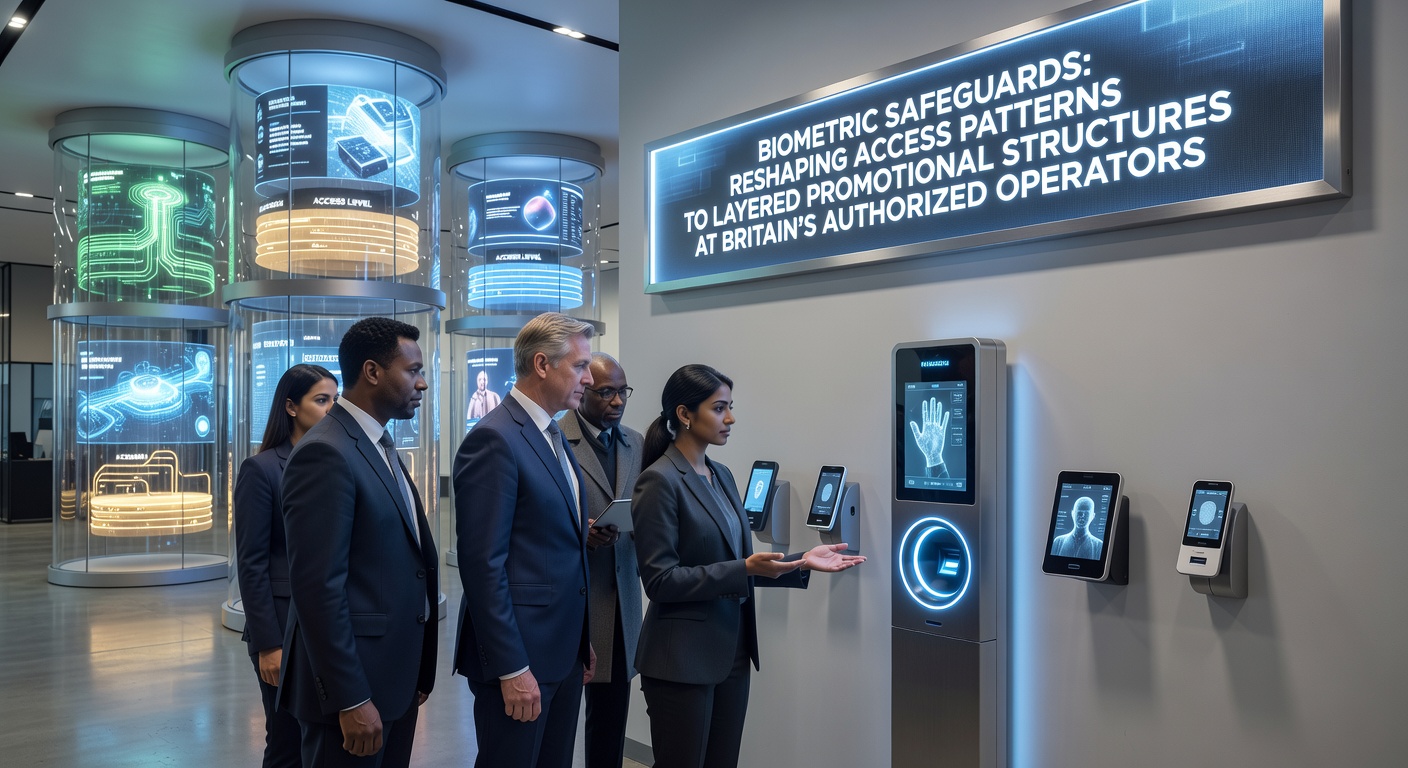
Biometric verification tools have begun altering the way users reach promotional layers at Britain's licensed betting operators, with fingerprint and facial recognition systems replacing traditional password entries in many cases. Operators integrate these methods to confirm identity before granting access to deposit-match bonuses, free bet tiers, and cashback structures that require multiple qualifying steps. Data compiled through industry reports shows adoption rates climbing steadily through early 2026, particularly on mobile platforms where users complete verification in seconds rather than navigating several login fields.
Verification Steps and Promotional Access
Layered promotions typically demand sequential actions such as an initial deposit, placement of qualifying bets, and achievement of minimum odds thresholds. Biometric checks now sit at each gate, confirming the same registered user moves through every stage without repeated credential entry. This setup reduces friction for account holders while maintaining compliance records that operators must keep under prevailing licensing conditions. Research from the University of Nevada, Las Vegas highlights how such streamlined processes cut average session times for bonus activation by measurable margins in comparable markets.
Operators track these patterns through anonymized usage logs, noting shifts in how frequently players progress from first-tier welcome offers to second-tier loyalty rewards. Facial recognition sees heavier use during live events, when quick re-verification allows users to claim in-play incentives without pausing to type codes. Fingerprint scans dominate for routine daily logins, supporting the steady flow of smaller, recurring promotions that require repeated deposits.
Regional Comparisons and Implementation Patterns
Similar biometric frameworks appear in other jurisdictions, with Canadian provincial regulators documenting parallel changes in access controls for multi-stage casino and sports promotions. Australian authorities report comparable uptake among licensed operators, where facial verification links directly to responsible gambling tools that flag unusual deposit sequences. These cross-border observations indicate that Britain's licensed platforms follow an established trajectory rather than pioneering an isolated approach.
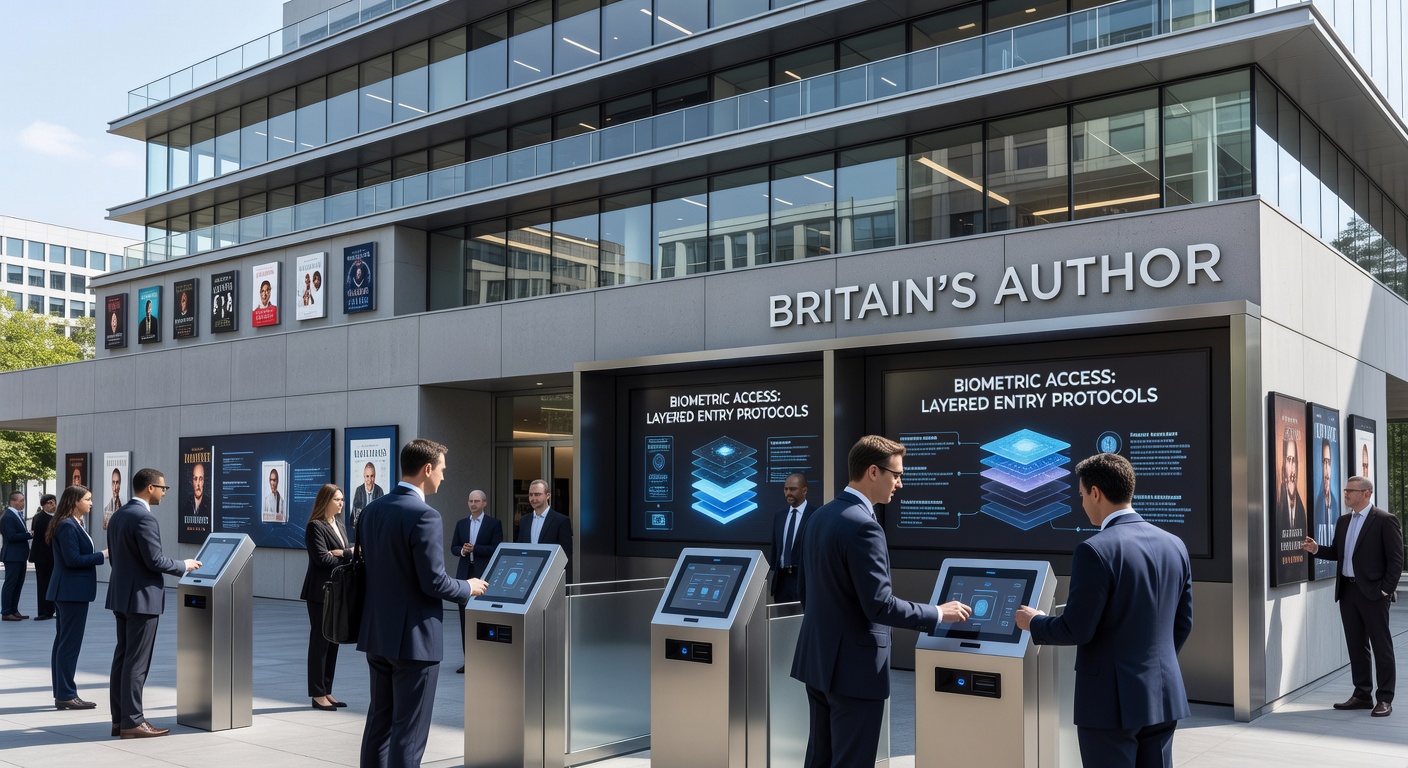
By May 2026, several major British operators have expanded biometric prompts to cover every promotional layer beyond the initial sign-up stage. This includes accumulator builder rewards, each-way enhancements, and hybrid sportsbook-casino bundles that stack multiple conditions. Access logs reveal higher completion rates for these offers once biometric gates replace manual entry, though overall participation volumes remain tied to broader market factors such as fixture schedules and seasonal events.
Data Tracking and Compliance Records
Operators maintain detailed audit trails that link each biometric confirmation to specific promotional redemptions, satisfying requirements set by oversight bodies. These records help distinguish between legitimate user progression and attempts to circumvent terms through multiple accounts. Studies conducted by the National Council on Problem Gambling in the United States note that biometric logging provides clearer datasets for analyzing play patterns compared with older password-based systems.
Device compatibility plays a role in rollout speed, with newer smartphones supporting both fingerprint and facial options while older models rely more on one method. Operators adjust their interfaces accordingly, ensuring users on varied hardware still reach the same promotional structures without exclusion. This adaptability supports consistent access patterns across the licensed sector.
Future Adjustments in Verification Layers
Industry groups such as the European Gaming and Betting Association continue to monitor how biometric integration affects user navigation of complex offers. Adjustments planned for later in 2026 include optional voice recognition for certain high-value tiers, though current deployments focus primarily on fingerprint and facial methods. These developments build on existing infrastructure rather than requiring wholesale system replacements.
Access frequency data shows that players who complete biometric steps early in a session tend to engage with deeper promotional layers more consistently than those who encounter repeated manual checks. Operators use this information to refine the timing and placement of verification prompts, aligning them with typical user flows during major football or racing calendars.
Conclusion
Biometric safeguards continue to modify entry points to layered promotions at Britain's authorized operators, supported by usage statistics and cross-jurisdictional comparisons. Patterns observed through May 2026 reflect steady incorporation of fingerprint and facial recognition into verification sequences, with records maintained for compliance and analysis purposes. These changes align with broader trends documented in multiple regulated markets, where similar tools streamline progression through multi-stage offers without altering the underlying promotional structures themselves.