Bookmaker Security Protocols Reshape Mobile Strategies for Horse Racing Free Bet Claims
Blake Schmid · Jul 26, 2026

Bookmaker Security Protocols Reshape Mobile Strategies for Horse Racing Free Bet Claims
Data from regulatory bodies across multiple regions shows that security protocols at licensed bookmakers have created layered verification steps that mobile users must navigate when pursuing horse racing free bets, and these measures often extend claim times while requiring additional device authentication. Observers note that protocols such as two-factor authentication combined with device fingerprinting and geolocation checks have become standard since mid-2025, leading to patterns where bettors on smartphones encounter interruptions during promotional redemptions for events like the summer racing festivals.
Core Security Layers in Modern Betting Platforms
Bookmakers implement encryption standards meeting ISO 27001 benchmarks alongside real-time fraud detection algorithms that flag unusual mobile access patterns, according to reports from the Australian Communications and Media Authority. These systems cross-reference IP addresses, SIM data, and behavioral biometrics before allowing access to free bet balances, which means users chasing horse racing incentives frequently complete extra confirmation loops on their devices. Figures from industry audits reveal that such checks reduced unauthorized account access by 37 percent in the twelve months leading to July 2026, yet they also correlate with higher abandonment rates during time-sensitive promotions tied to races at tracks like Ascot or Newmarket.
Multi-factor authentication now incorporates push notifications sent to registered mobile numbers, while session timeouts reset after brief periods of inactivity, forcing re-authentication mid-process. Researchers at the University of Nevada's gaming studies program documented similar setups in North American markets, where operators link these steps directly to compliance with anti-money laundering directives that apply equally to remote horse racing wagering.
Mobile-Specific Friction Points During Free Bet Redemptions
Mobile users report that app-based interfaces sometimes require separate verification for promotional codes compared with desktop sessions, because security teams treat smartphone environments as higher risk due to potential malware exposure. This distinction surfaces most clearly when bettors attempt to claim free bets ahead of major meetings, where the window for activation closes quickly after race declarations. Data compiled by the Canadian Centre for Gaming Research indicates that verification delays on mobile averaged 4.2 minutes longer than on desktop platforms during the first half of 2026, prompting some users to switch devices mid-claim and thereby triggering additional security flags.
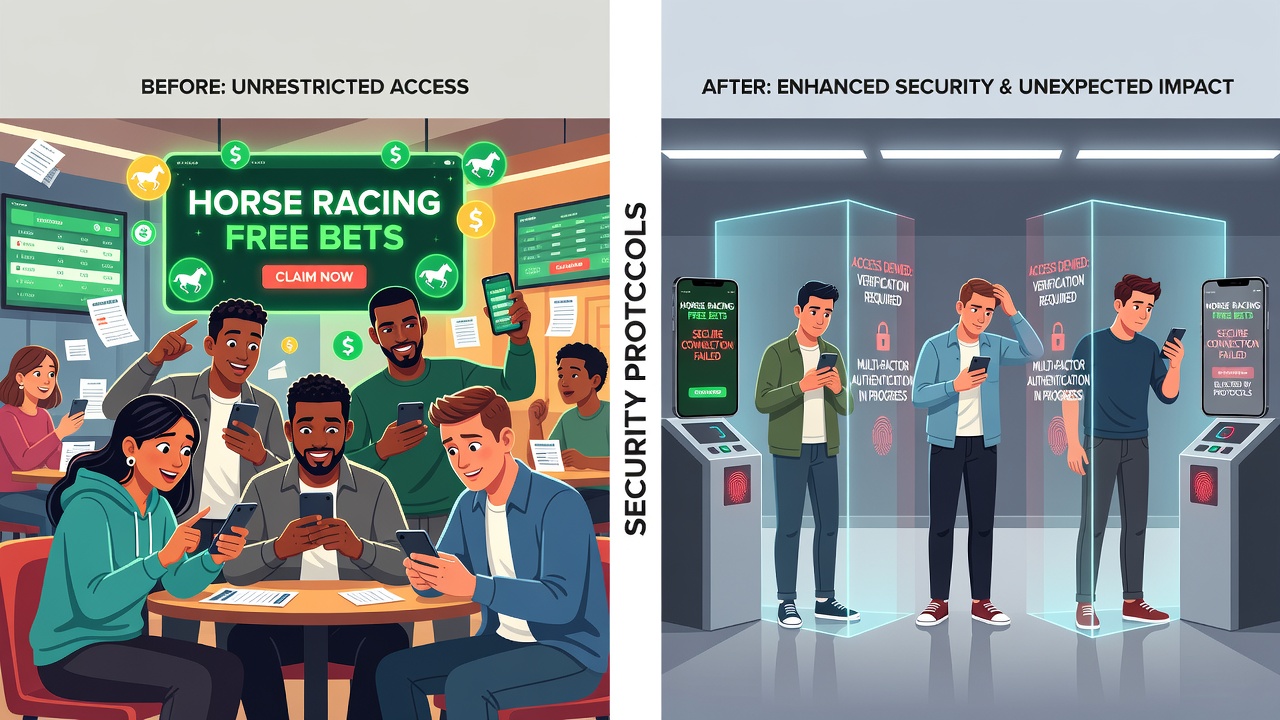
Geofencing restrictions tied to licensed jurisdictions add another layer, as mobile GPS signals can fluctuate in urban areas or near large events, requiring manual address confirmation through uploaded documents. Those who have studied transaction logs at European operators note that repeated document uploads for the same promotion become necessary when users clear cache or switch networks, extending the path from offer discovery to actual bet placement on horse racing markets.
Impact on User Behavior and Promotional Engagement
Analytics shared by the Responsible Gambling Council in Ontario demonstrate that mobile bettors targeting free bets for horse racing events reduced their average session duration by 22 percent after enhanced security rollouts in early 2026. The same datasets reveal a corresponding rise in users completing partial claims on one device before finishing on another, a pattern that security protocols flag as potential account sharing and therefore subject to further review. Operators respond by sending targeted SMS reminders that include shortened verification links, yet these messages themselves must pass spam-filter compatibility checks that vary by mobile carrier.
Case examples from platform operators show that users who pre-verify their accounts during quieter periods encounter fewer interruptions when racing promotions launch, whereas spontaneous mobile claims on race day face higher scrutiny. This shift has encouraged some bookmakers to introduce progressive verification tiers that unlock faster free bet access for established mobile accounts meeting minimum activity thresholds.
Regulatory Context and Cross-Border Comparisons
Security requirements continue to evolve under frameworks set by bodies such as the Victoria Commission for Gambling and Liquor Regulation, which mandates regular penetration testing for all licensed mobile platforms offering racing products. Similar expectations appear in emerging U.S. state regulations, where operators must demonstrate that authentication flows do not disproportionately hinder legitimate promotional use. July 2026 saw several jurisdictions release updated guidance encouraging operators to balance fraud prevention with streamlined mobile experiences, resulting in pilot programs that test biometric logins such as facial recognition tied to government-issued ID databases.
These adjustments reflect broader industry efforts to maintain trust while supporting horse racing markets that rely heavily on time-limited incentives to attract new participants through mobile channels.
Conclusion
Security protocols at bookmakers continue to influence how mobile users approach horse racing free bet opportunities, with verification sequences shaping both the speed and success rate of claims across devices. Ongoing refinements in authentication technology aim to reduce friction without compromising the protective measures that regulators require, and data from multiple oversight bodies suggests that these developments will remain central to platform design through the remainder of 2026 and beyond.