Craig Williams and Amy Hind Enter Guilty Pleas Over 2024 Election Betting Violations
Avery Schwarz · Jul 2, 2026

Craig Williams and Amy Hind Enter Guilty Pleas Over 2024 Election Betting Violations
The case centers on events that unfolded in 2024 yet reached a key courtroom milestone on 29 June 2026 when Craig Williams, the former Parliamentary Private Secretary to then-Prime Minister Rishi Sunak, and Amy Hind admitted to offences under section 42(1)(a) of the Gambling Act 2005.
Both individuals used non-public details about the forthcoming general election date to place wagers on specialist betting markets operated by licensed firms, and their actions came to light after the official announcement on 22 May 2024 that parliament would be dissolved ahead of the 4 July vote.
Details of the Guilty Pleas
Proceedings took place at a court where the pair formally accepted charges of cheating, a category that covers the misuse of inside information to gain an unfair advantage in gambling activities, and the Gambling Commission confirmed the admissions in an official notice released shortly afterward.
Williams held a privileged role that provided advance knowledge of the election timetable while Hind maintained close personal ties that allowed her access to the same restricted information, and together they placed multiple bets before any public statement had been made.
How the Offence Unfolded
The timeline shows that Sunak’s inner circle became aware of the planned dissolution date weeks before the public reveal, yet betting operators had already opened markets on the likely timing of the announcement, and these markets offered odds that reflected widespread speculation rather than confirmed facts.
By placing stakes on those markets the defendants secured payouts once the date was confirmed, and investigators later established that the bets could not have been placed without knowledge obtained through official channels.
Regulatory Response and Next Steps
The Gambling Commission has stated that sentencing remains pending while further related proceedings are listed for 2027 and 2028, and observers note that such delays often occur when additional evidence or co-defendants require separate hearings.
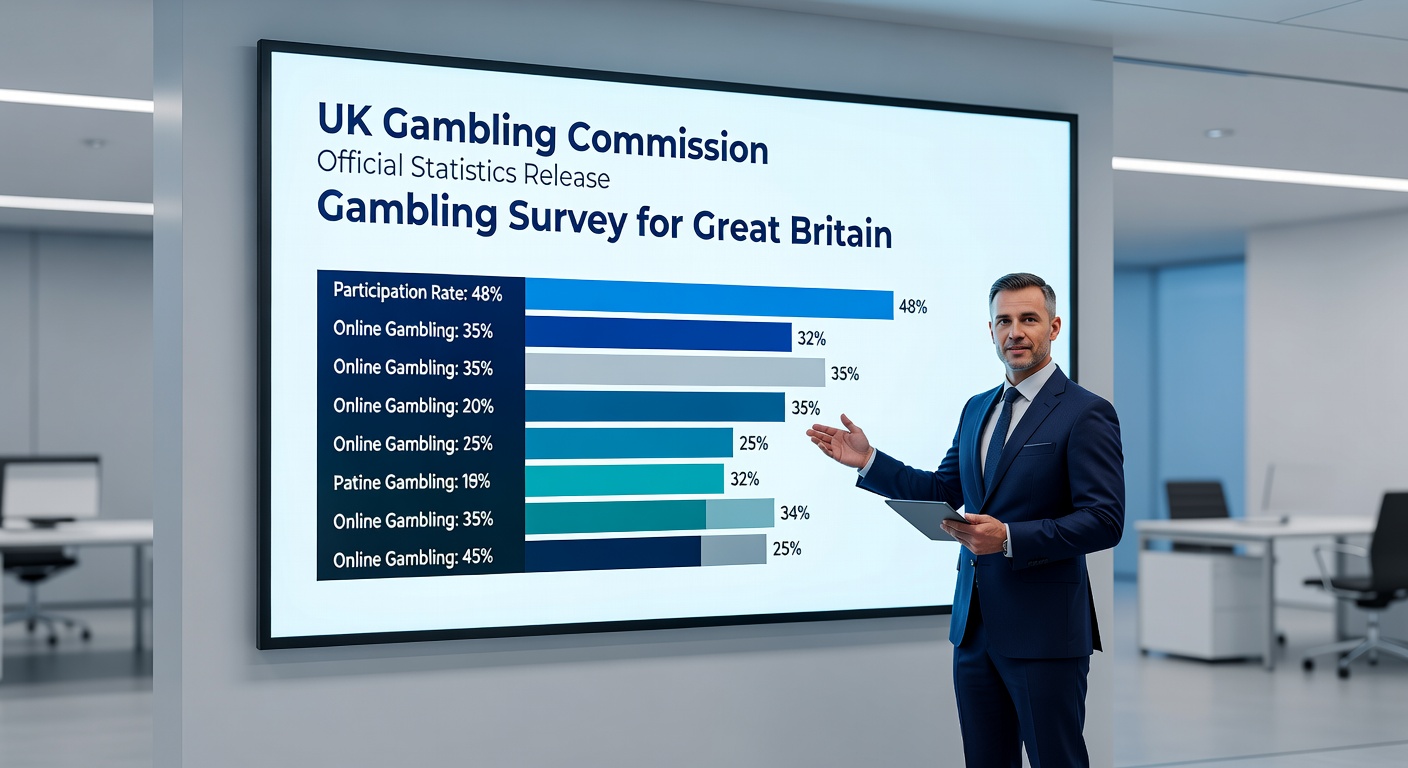
Commission statements emphasise that the investigation relied on transaction records supplied by the operators themselves, and those records showed patterns inconsistent with typical retail or online punter behaviour.
Because the bets were placed on licensed platforms the operators faced no regulatory action, yet the episode has prompted renewed discussion about how quickly inside information can move from Westminster corridors to betting exchanges.
Legal Framework Under the Gambling Act
Section 42(1)(a) targets any person who participates in, or enables, cheating at gambling, and the provision carries penalties that include fines, community orders or custodial sentences depending on the scale of the offence and the level of harm caused to the integrity of the market.
Courts have previously applied the section to cases involving football insiders and casino staff, yet this remains one of the first instances where political office holders have faced charges connected to a national election date.
Legal analysts point out that the guilty pleas remove the need for a contested trial on liability, leaving the judge to determine appropriate sanctions once pre-sentence reports and victim-impact statements are completed.
Broader Context in July 2026
By early July 2026 the case has already influenced internal compliance reviews at several major operators, and firms are examining whether additional controls are required for political-event markets that rely on information released by government sources.
The Gambling Commission continues to monitor similar high-profile events, and its data-sharing agreements with licensed bookmakers now include automated alerts for unusual staking patterns around announcement dates.
Conclusion
The admissions by Williams and Hind mark a significant enforcement outcome for the regulator, and the pending sentencing alongside future trials will clarify how the courts weigh the misuse of political information against existing gambling legislation, while the industry watches for any resulting guidance on market integrity.