Deposit Method Impacts on Multi-Level Reward Systems in Approved Live Horse Racing Markets
Tina Schmid · Jun 30, 2026

Deposit Method Impacts on Multi-Level Reward Systems in Approved Live Horse Racing Markets
Deposit selections at approved operators create pathways to layered rewards in live racing markets where timing and payment type determine access to bonus tiers, cashback percentages, and loyalty multipliers during events such as the summer festival circuits. Operators structure these incentives so that certain deposit methods trigger immediate credits while others unlock progressive benefits that accumulate across multiple races on the same day.
Payment Categories and Initial Reward Triggers
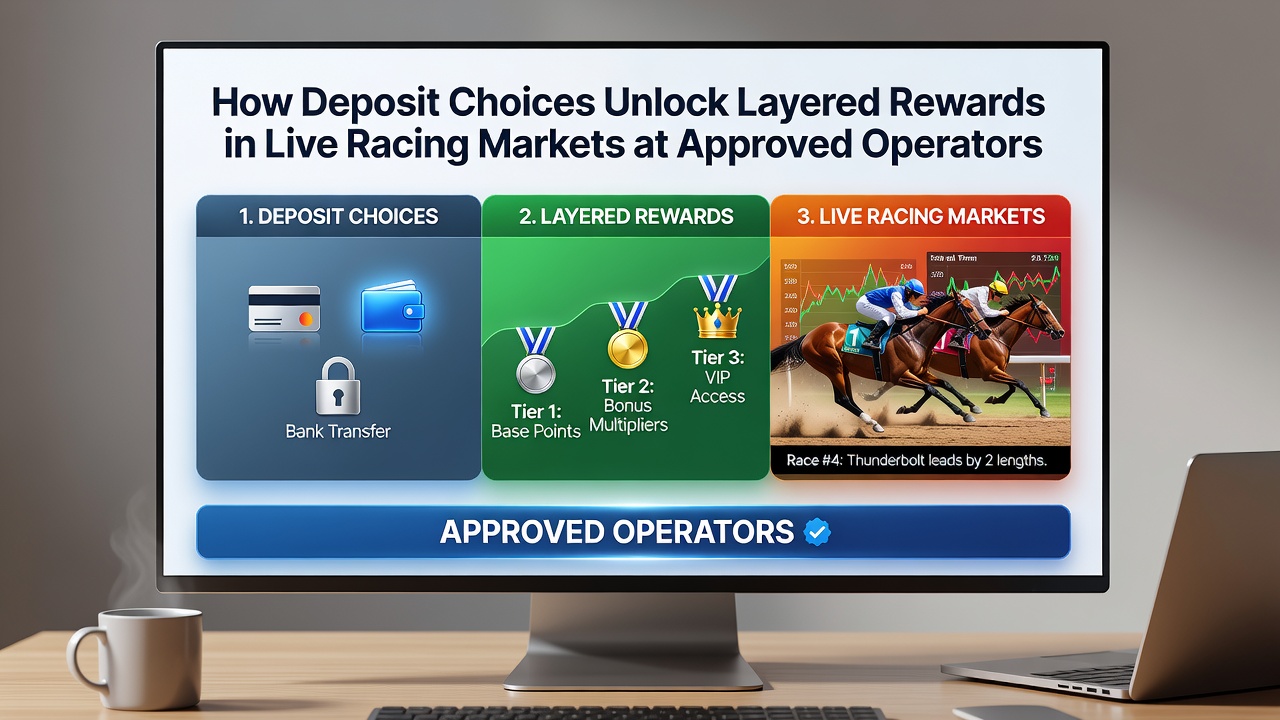
Approved operators categorize deposits into instant options like e-wallets and card payments alongside slower bank transfers and prepaid vouchers, with each category activating distinct entry-level rewards in live racing environments. E-wallet deposits often connect directly to sign-up bonuses or race-day free bets because processing completes within seconds, allowing bettors to place wagers before the next event starts. Card payments frequently generate loyalty points that convert into additional stake credits once a threshold is reached during a live card.
Bank transfers meanwhile unlock higher percentage cashback offers on losses sustained across an entire meeting because the larger average transaction size aligns with operator risk models. Prepaid vouchers provide access to mystery reward layers where the deposit amount determines eligibility for random multipliers applied to winnings from specific races. Data from industry reports shows these distinctions lead operators to promote particular methods during peak live racing periods when bet volumes spike.
Progressive Layers Built Through Deposit Sequences
Layered rewards develop when operators allow sequential deposits to compound benefits, such as an initial e-wallet deposit unlocking a 50 percent bonus followed by a second deposit via bank transfer that adds cashback eligibility. In live racing markets this structure encourages bettors to maintain activity across afternoon and evening race cards because each new deposit refreshes or extends the active reward window. Observers note that operators track deposit history within a single session so that the third deposit might activate a loyalty multiplier that applies to accumulator bets placed on consecutive races.
Studies from the American Gaming Association indicate that such sequenced incentives increase retention during multi-race events because participants receive escalating returns rather than one-time credits. The layering remains conditional on maintaining activity at approved sites where regulatory standards require clear disclosure of all terms before any reward activates.
Application to Real-Time Racing Markets
Live racing markets move quickly between events so deposit choices that complete instantly allow participants to capture in-play odds adjustments that slower methods miss. An e-wallet deposit placed between races can unlock a time-limited cashback layer covering any loss on the subsequent three races, while a card deposit might instead generate points redeemable only on the final race of the card. Approved operators integrate these mechanics directly into their platforms so the reward display updates automatically once the deposit clears.
During June 2026 summer racing calendars operators have adjusted these layered structures to align with extended evening meetings where bettors remain active for longer stretches. Research published through the Gambling Research Exchange Ontario highlights that payment method selection influences not only reward access but also the types of markets participants engage with once incentives activate.
Regulatory Frameworks Governing Reward Activation
Approved operators operate under licensing conditions that require all reward layers tied to deposits to meet transparency standards set by regional authorities. These rules prevent hidden conditions and ensure that live racing participants understand how a chosen deposit method affects eligibility for each successive tier. External audits verify that operators apply rewards consistently across sessions rather than selectively based on individual betting patterns.
Industry associations in multiple jurisdictions have published guidelines that encourage operators to standardize deposit-to-reward mappings so that bettors can compare options across platforms without confusion. This standardization supports fair competition while maintaining the incentive value that layered structures provide during high-volume live racing periods.
Conclusion
Deposit choices function as entry points that determine which reward layers become available in live racing markets at approved operators, with each payment category activating distinct sequences of bonuses and multipliers. The mechanisms rely on processing speed, transaction size, and session history to build cumulative benefits across multiple races. Regulatory oversight ensures these systems remain transparent and consistent so participants can make informed selections based on their betting patterns and preferred racing schedules.