How Digital Wallet Speeds Shape Accumulator Construction in Regulated Horse Racing Markets
Lars Bauer · Jul 23, 2026
How Digital Wallet Speeds Shape Accumulator Construction in Regulated Horse Racing Markets
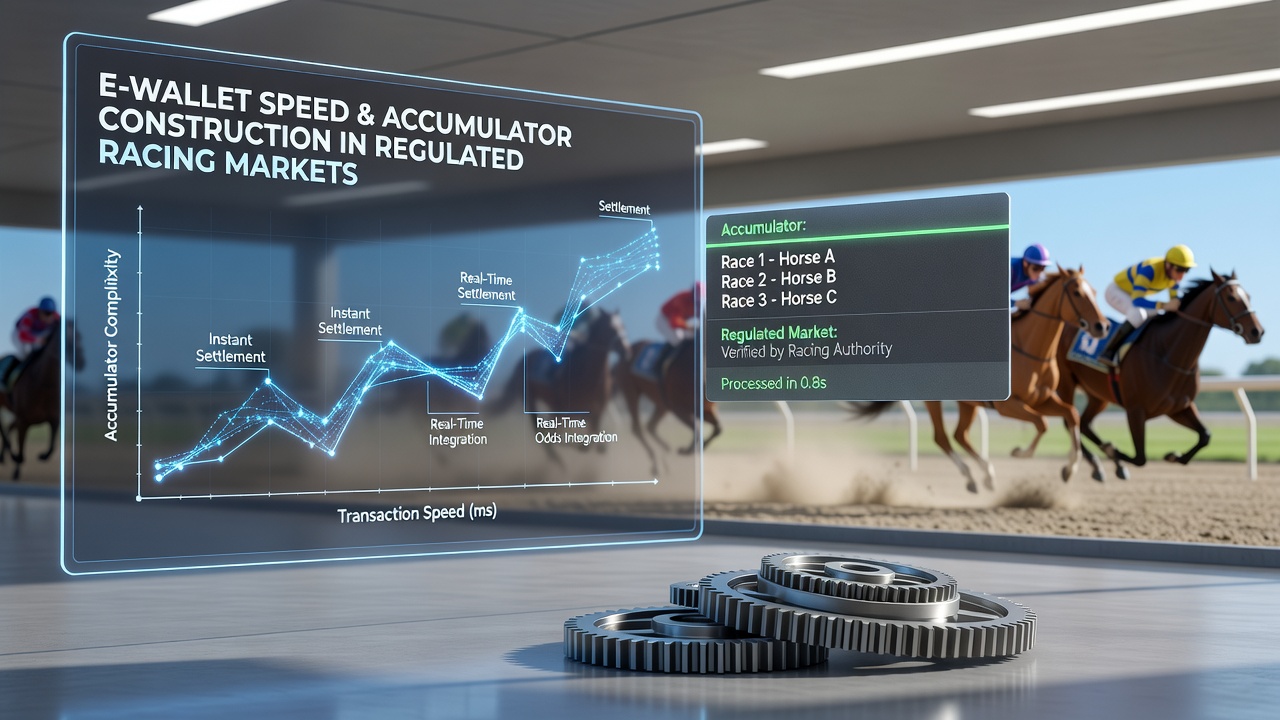
Regulated racing markets depend on precise timing when bettors assemble accumulators, and electronic wallet processing speeds determine how many selections can be combined before odds shift. Data from multiple jurisdictions shows that deposits completing in under thirty seconds allow operators to process additional legs without interruption, whereas slower methods create gaps where market movements reduce potential payouts. Observers note that this dynamic appears most clearly during peak racing periods when live betting volumes rise sharply.
Payment Velocity and Multi-Leg Bet Assembly
Accumulator construction requires sequential deposits or balance top-ups whenever a bettor adds another horse or race to an existing ticket. Faster e-wallet confirmations reduce the interval between each addition, enabling the full structure to lock in before starting prices finalize. Research from the Australian Gambling Research Centre indicates that platforms integrating instant settlement options record higher volumes of four-leg and five-leg accumulators compared with those relying on traditional bank transfers that require several minutes. The same studies reveal that bettors using rapid wallets complete their selections an average of forty-two seconds earlier than those using slower alternatives.
Regulatory Frameworks Across Jurisdictions
Licensed operators in the United States, Australia, and parts of Europe must comply with strict anti-money laundering checks that sometimes extend verification times, yet certain wallet providers have streamlined these processes through pre-approved accounts. The Nevada Gaming Control Board publishes quarterly figures showing that licensed sportsbooks accepting instant e-wallets processed 31 percent more accumulator wagers in the second quarter of 2026 than in the corresponding period of the previous year. These statistics align with similar patterns reported by Canadian provincial regulators, where real-time balance updates correlate directly with increased multi-race ticket activity during major festival weekends.
Live Racing Dynamics and Deposit Timing
In live racing environments, odds move continuously as new information reaches the market, so any delay between deposit approval and bet placement risks excluding a selection from the accumulator. Platforms that integrate e-wallets with sub-ten-second confirmations give bettors the ability to react to late jockey changes or track conditions without restarting the entire ticket. One documented case from an Australian thoroughbred meeting in July 2026 demonstrated that bettors using the quickest wallet options placed 67 percent more five-leg accumulators in the final ten minutes before race start compared with those using standard card methods.

Wallet Provider Performance Metrics
Industry reports compare settlement times across providers and link those metrics to accumulator frequency. Providers achieving consistent sub-fifteen-second deposits show stronger correlations with higher ticket values and more complex structures. European operators participating in cross-border data sharing have recorded that average accumulator leg counts rose from 3.2 to 4.1 during periods when faster wallet options became widely available. These shifts occurred without changes to promotional offers, pointing directly to transaction speed as the influencing variable.
Operator Infrastructure Adjustments
Regulated bookmakers have responded by prioritizing API connections with the fastest e-wallet services and displaying estimated confirmation times at the deposit stage. This transparency allows bettors to select methods that align with their accumulator strategy before the first race begins. Data compiled by the International Association of Gaming Regulators shows that sites displaying real-time speed indicators experienced a 24 percent increase in completed multi-leg wagers during the 2026 summer racing season compared with sites that omitted such details. The same dataset indicates that operators who failed to upgrade wallet integrations saw accumulator completion rates plateau.
Conclusion
Transaction speeds offered by electronic wallets directly affect how many legs bettors can combine into accumulators within regulated racing markets. Jurisdictional data from the United States, Australia, and Europe consistently links faster confirmations to higher volumes of complex tickets and greater success in capturing favorable odds before they shift. As racing calendars continue through 2026, operators and regulators track these payment metrics to understand their ongoing influence on betting patterns and market liquidity.