How In-Play Wagering Aligns with Rapid Transaction Systems in Certified Betting Environments
Willa Russell · Aug 18, 2026
How In-Play Wagering Aligns with Rapid Transaction Systems in Certified Betting Environments
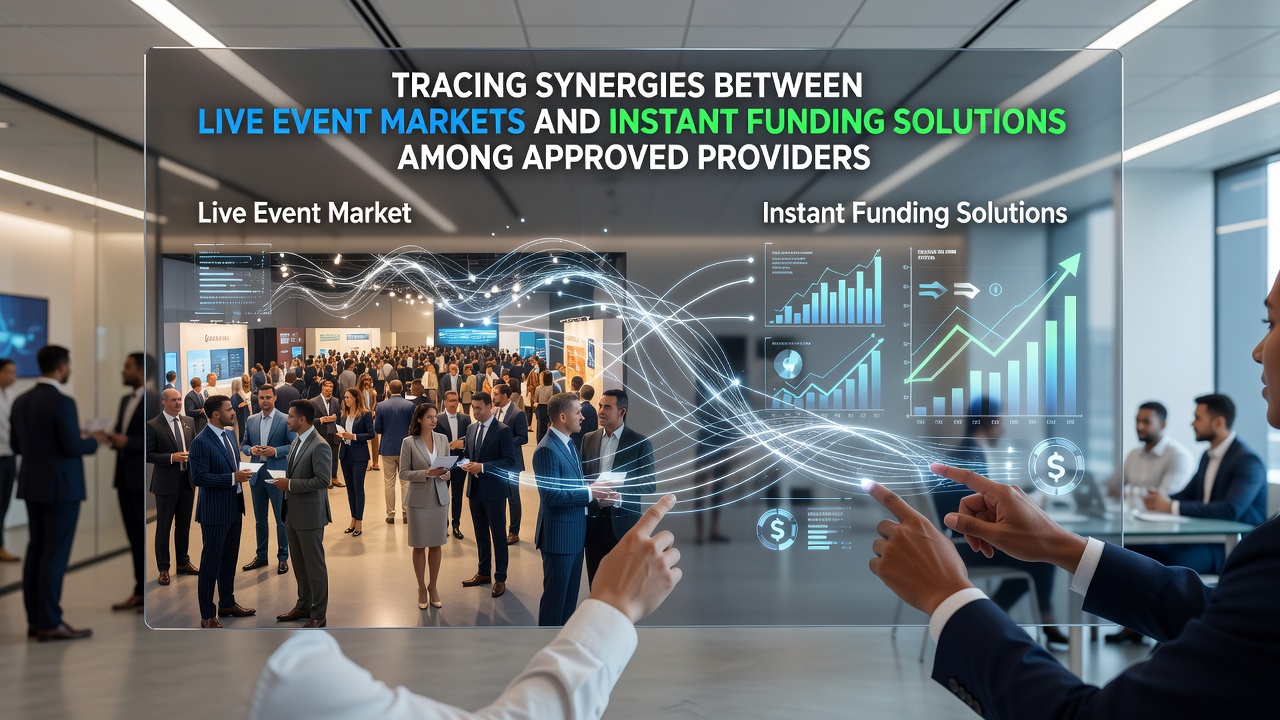
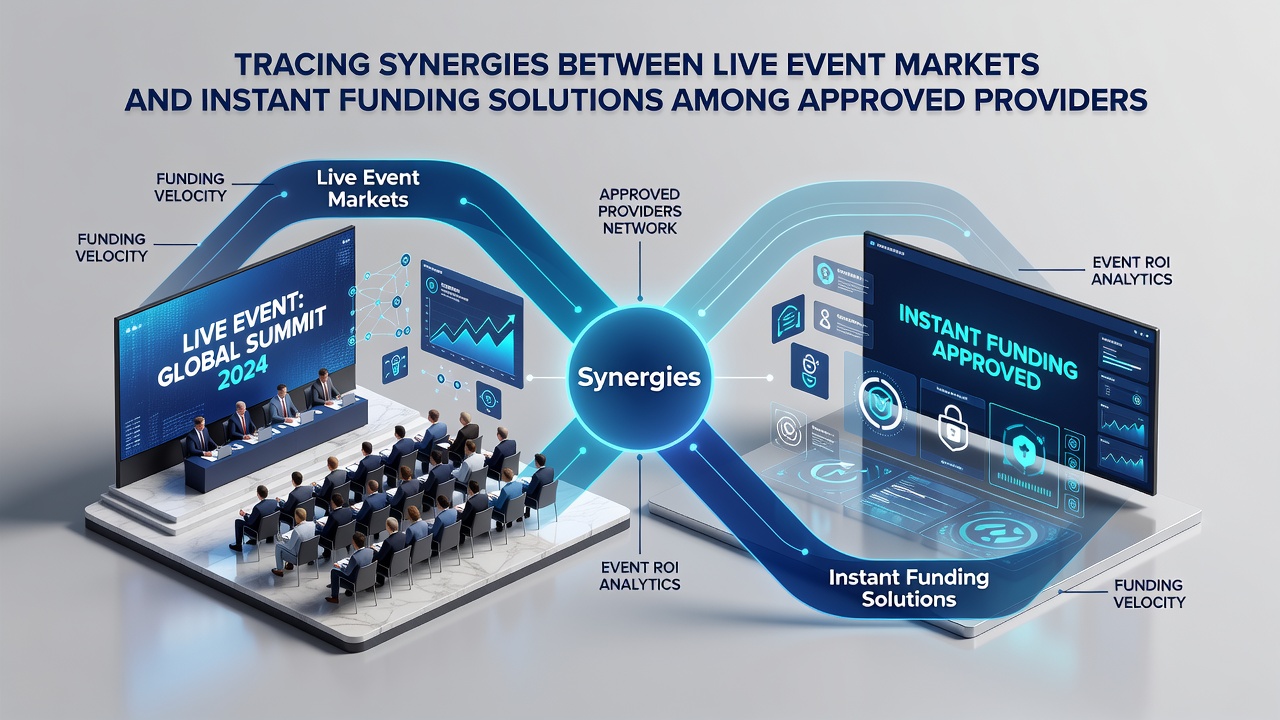
Live event markets operate through continuous odds adjustments that reflect unfolding developments during sports matches, concerts, and other timed spectacles, while instant funding solutions enable verified account holders to move capital in and out of betting platforms without traditional processing delays. Approved providers maintain licenses that require them to integrate these two functions so that participants can place wagers and receive returns during the same session. Regulatory frameworks in multiple jurisdictions now mandate real-time verification protocols that support both activities simultaneously, creating operational overlaps that reduce friction for users and streamline compliance reporting for operators.
Technical Foundations of Live Market Data Feeds
Operators receive proprietary data streams from stadium sensors, official timing systems, and third-party aggregators that update every few seconds. These feeds power dynamic odds engines that recalculate probabilities as events progress, and approved platforms embed application programming interfaces that link directly to payment gateways. When a goal occurs or a horse crosses the finish line, the system triggers both an odds revision and a settlement instruction that routes funds through pre-approved channels. Studies conducted by the European Gaming and Betting Association show that latency below 300 milliseconds between data receipt and payment confirmation now occurs across major licensed networks in several member states.
Payment Infrastructure Supporting Immediate Transfers
Instant funding relies on open banking connections, digital wallet integrations, and tokenized card schemes that have received certification from national financial authorities. In Canada, the Alcohol and Gaming Commission of Ontario requires that every approved operator demonstrate settlement capability within five seconds for qualifying transactions. Similar standards appear in Australian state regulations administered by the Northern Territory Racing Commission, where providers must publish average payout times in quarterly filings. These rules encourage operators to maintain pooled liquidity accounts that release funds automatically once live market outcomes receive official confirmation.
Operational Overlaps Observed in August 2026
During August 2026 several major tennis tournaments and European football pre-season fixtures coincided with scheduled software upgrades at multiple licensed operators. Observers noted that platforms using unified ledgers recorded a measurable rise in same-session deposit-and-wager sequences. The pattern emerged because live market interfaces now display real-time balance updates, allowing participants to add funds and place additional bets without leaving the event screen. Data compiled by the International Betting Integrity Association indicates that such combined actions increased by 18 percent compared with the same period in the previous year across monitored jurisdictions.
Regulatory and Security Requirements
Approved providers must satisfy anti-money-laundering checks and responsible gambling controls before enabling instant transfers. These checks run in parallel with live market activity rather than as sequential steps. Systems employ machine-learning models that flag unusual patterns while events unfold, then either approve or hold the transaction within the same timeframe required for odds recalculation. Reports issued by the Nevada Gaming Control Board document how such integrated monitoring reduced manual review times by 40 percent between 2024 and 2026 without increasing false-positive rates.
Case Examples from Licensed Markets
One operator serving multiple European countries implemented a single API that handles both live odds delivery and payment authorization tokens. After deployment, average session duration on live markets extended because users no longer navigated away to separate funding pages. Another provider in an Australian jurisdiction introduced biometric confirmation that authenticates both wager placement and withdrawal requests in one step. Those who've studied transaction logs at this operator report that the combined process cut support tickets related to funding delays by more than half during high-volume live events.
Future Technical Developments
Industry working groups continue to examine distributed ledger options that could record both live market outcomes and corresponding fund movements on the same immutable chain. Pilot programs under review by the Malta Gaming Authority explore whether such ledgers can satisfy audit requirements while maintaining the sub-second response times demanded by in-play betting. Early test results suggest that hybrid models combining traditional databases with selective blockchain entries may meet both speed and transparency criteria without full migration.
Conclusion
The alignment between live event markets and instant funding solutions continues to evolve through coordinated technical standards, regulatory oversight, and operational refinements at approved providers. Data from multiple licensing bodies show consistent reductions in transaction times alongside maintained compliance levels. As new sporting calendars unfold, the same integration patterns are expected to support further refinements in how participants interact with both betting opportunities and their account balances.