Layered Rewards: The Inner Workings of Cashback Tiers at Britain's Authorized Betting Sites
Lars Bauer · May 19, 2026

Layered Rewards: The Inner Workings of Cashback Tiers at Britain's Authorized Betting Sites
Operators in the United Kingdom structure tiered cashback programs around activity thresholds that reward consistent play with escalating return percentages, and these systems track net losses across defined periods such as weekly or monthly cycles. Players advance through levels like entry, intermediate, and premium tiers based on cumulative deposits or wager volumes, while cashback applies only to losses rather than total stakes in most cases. Calculations incorporate factors including game type contributions and minimum activity requirements, which ensures the mechanics remain tied directly to verifiable account data.
Core Calculation Methods and Tier Progression
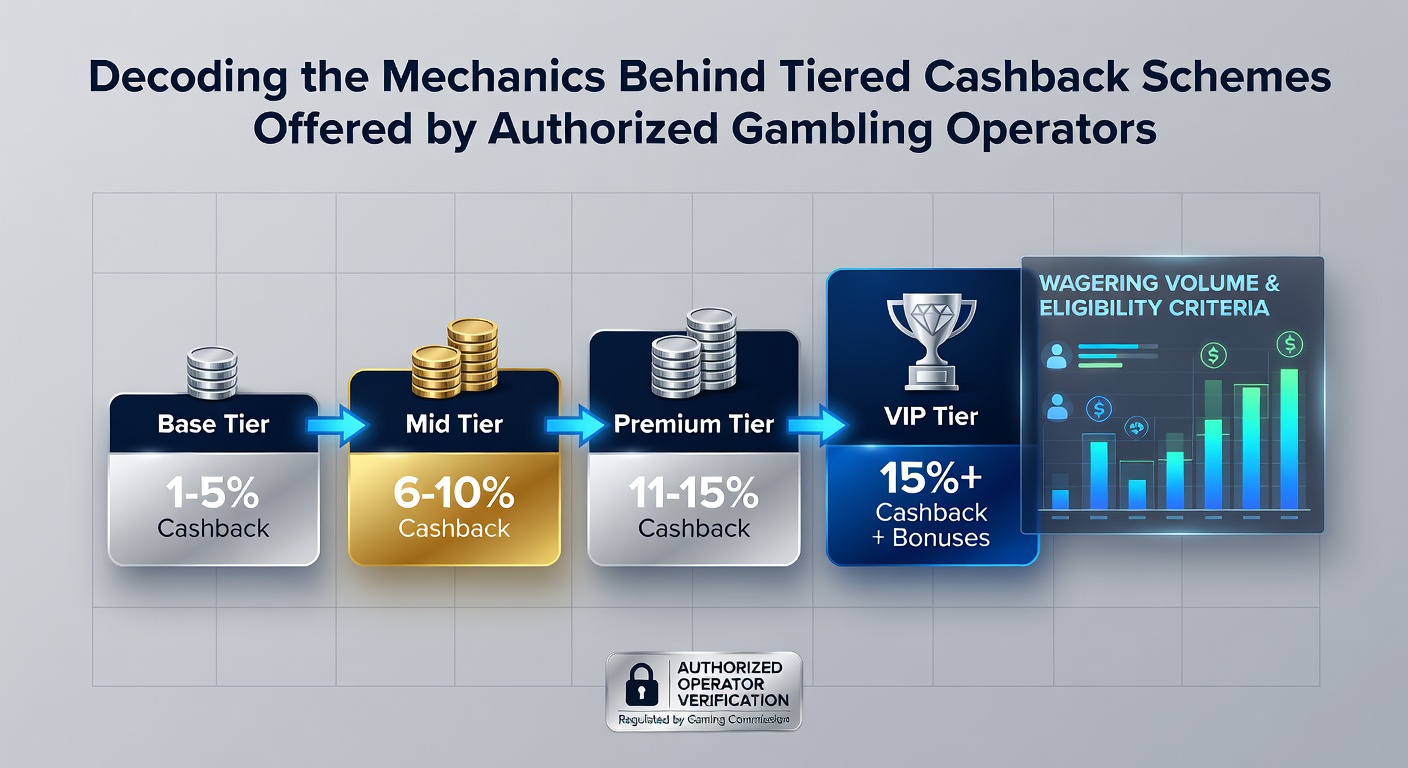
Each operator defines its own progression rules, yet common patterns emerge where bronze-level participants receive five percent cashback on qualifying losses and higher tiers reach fifteen or twenty percent once players meet volume targets. Net loss figures exclude winnings from the base amount, and operators apply caps that limit maximum weekly returns even at top tiers. Wagering requirements often accompany the credited amounts, requiring players to place additional bets before withdrawal becomes available, and these rules vary by operator while staying within broader industry standards.
Systems update tier status automatically after each review period ends, and players receive notifications detailing their current level along with the next threshold needed for advancement. Certain games contribute at reduced rates toward tier qualification, which directs activity toward higher-margin products in some instances, while others credit full stake amounts regardless of game category. Observers note that transparency around these weighting systems helps maintain compliance across multiple platforms.
Eligibility Criteria and Player Tracking
Participation usually demands an active account with verified identity details, and operators exclude certain promotional funds from cashback calculations to prevent double-dipping. Minimum loss thresholds apply at every tier, so small-scale players may receive nothing until they surpass the entry amount set by the provider. Data from international sources shows similar eligibility structures appear in other regulated markets, including reports from the Australian Institute of Family Studies that examined promotional mechanics in comparable environments.
Real-time dashboards allow players to monitor progress toward the next tier, and historical performance data influences personalized offers sent through account notifications. Those who maintain steady activity across multiple game verticals often accelerate their advancement, whereas sporadic users remain at lower levels for extended periods. In May 2026 several operators introduced mid-cycle adjustments that recalibrated thresholds in response to updated player segmentation data.
Integration with Broader Promotional Frameworks
Cashback tiers frequently combine with deposit matches and free bet incentives, creating layered reward paths that operators present through unified loyalty interfaces. The interaction between these elements means players must understand how one promotion affects eligibility for another, since simultaneous offers sometimes carry conflicting terms. Industry analyses from the Canadian Centre on Substance Use and Addiction highlight how combined incentives influence engagement patterns across licensed environments.
Seasonal events and major sporting calendars prompt temporary tier boosts or accelerated qualification windows, and these limited-time changes encourage increased participation during peak periods. Operators communicate rule changes through in-app messages and email summaries, ensuring participants stay informed without needing external research. Such communication practices reduce confusion while maintaining operational consistency.
Conclusion
Tiered cashback schemes rely on transparent yet complex tracking systems that balance operator margins with player retention goals, and the mechanics continue to evolve alongside technological improvements in account monitoring. Authorized operators across the United Kingdom apply consistent principles even as individual implementations differ, and players benefit from reviewing specific terms before committing significant activity. Data patterns from various regulatory contexts demonstrate that these programs form one component within wider responsible gambling toolkits, and ongoing adjustments reflect market conditions rather than static designs.