Navigating Approval Pipelines for Layered Incentives Across Multi-Sport Accounts at Certified Operators
Blake Schmid · Aug 13, 2026

Navigating Approval Pipelines for Layered Incentives Across Multi-Sport Accounts at Certified Operators
Operators certified by regulatory bodies handle approval pipelines that process layered incentives for accounts spanning multiple sports, and these systems coordinate verification steps before any bonus or promotion activates across soccer, horse racing, or basketball holdings.
Core Components of Approval Pipelines
Certified operators structure pipelines around sequential checks that verify account eligibility, then layer additional reviews for each incentive type while cross-referencing activity across different sports categories, and data from the American Gaming Association shows these sequences reduce unauthorized claims by aligning with state licensing rules. Each stage incorporates automated flags that route complex cases to manual teams when multi-sport balances trigger overlapping conditions, such as simultaneous welcome offers and loyalty multipliers.
Verification Layers and Account Segmentation
Account segmentation begins with initial registration data that operators match against regulatory databases, after which systems assign tiers based on deposit history and sports preferences, allowing layered incentives to unlock only after each segment clears separate thresholds. Researchers at institutions like the University of Nevada, Reno have documented how segmentation prevents incentive stacking that exceeds operator limits, particularly when users maintain active positions in both team sports and individual events simultaneously.
Layered incentives typically combine deposit matches, free bet credits, and cashback percentages that activate at different points in an account lifecycle, yet pipelines enforce waiting periods between each layer to confirm compliance with responsible gambling parameters set by bodies such as the Nevada Gaming Control Board.
Multi-Sport Account Management Practices
Multi-sport accounts require pipelines to monitor cross-category wagering patterns because an incentive approved for one sport often carries restrictions that apply when funds transfer to another discipline, and operators deploy real-time monitoring tools that pause payouts until reconciliation completes. Those who oversee these systems note that August 2026 brought increased scrutiny following new compliance updates in several North American jurisdictions, prompting operators to adjust pipeline timing for accounts holding both football and tennis positions.
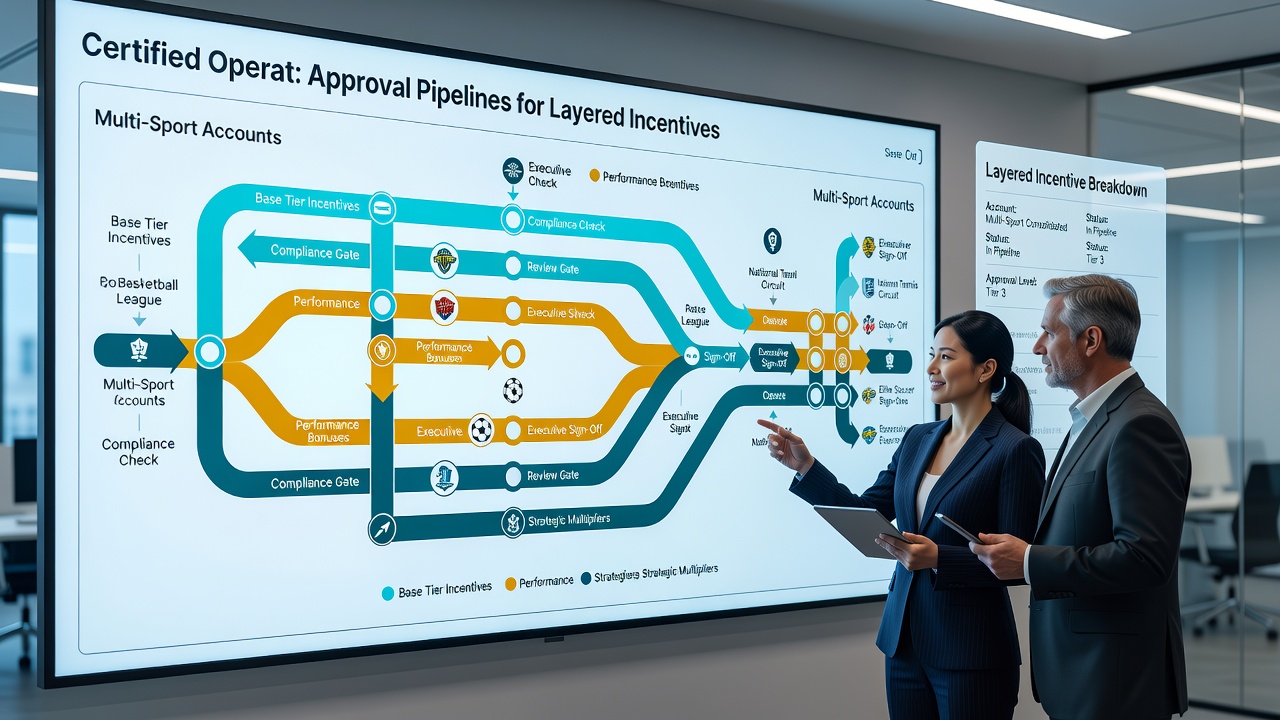
Operators integrate API connections between sportsbooks and casino modules so that a single account profile feeds data into unified approval queues, which reduces duplication while maintaining separate ledgers for each sport's incentive balance. External audits from organizations like the European Gaming and Betting Association confirm that such integrations maintain audit trails required for license renewal.
Handling Layered Incentive Requests
Requests for layered incentives enter pipelines through user dashboards that pre-populate eligibility criteria, after which backend systems run parallel checks against deposit records, wagering volume, and geographic restrictions before granting sequential approvals. Certified operators often apply progressive unlocking where the first layer releases within hours while deeper layers, such as tournament-specific bonuses tied to multiple sports, require extended review cycles that can span several business days.
Case examples from certified platforms reveal that accounts flagged for rapid multi-sport deposits receive additional identity verification steps, and this process aligns with guidelines from the Ontario Lottery and Gaming Corporation that emphasize fraud prevention across interconnected betting environments. Observers note that these extra steps maintain pipeline integrity without halting routine incentive distribution for compliant users.
Regulatory Influences in August 2026
August 2026 marked the rollout of updated reporting standards across multiple licensing regions, requiring certified operators to log every pipeline decision for layered incentives in centralized databases accessible to regulators, and this shift prompted many firms to refine their automation rules for multi-sport accounts. The changes emphasized transparency in how incentives interact when users move balances between sports categories, leading to clearer documentation practices that help operators demonstrate adherence during periodic reviews.
Industry reports indicate that these standards also encouraged adoption of standardized data formats, allowing pipelines to process requests more efficiently while still enforcing sport-specific terms that prevent misuse across different event types.
Conclusion
Approval pipelines for layered incentives across multi-sport accounts continue to evolve under certified operator frameworks that balance user access with regulatory compliance, and ongoing refinements in verification and segmentation support consistent operation across diverse sports offerings. Data from regulatory and academic sources underscores the role these systems play in maintaining orderly incentive distribution without compromising account oversight.