UK Betting Hits 12% Participation in Gambling Survey Wave 2: Seasonal Surges and Steady Overall Trends
Willa Russell · Apr 6, 2026

UK Betting Hits 12% Participation in Gambling Survey Wave 2: Seasonal Surges and Steady Overall Trends
Latest Snapshot from the Gambling Commission
The UK Gambling Commission has dropped its official statistics from the Gambling Survey for Great Britain (GSGB) Wave 2, covering the period from April to July 2025, and the numbers paint a clear picture of betting's growing pull among adults; data reveals that 12% of those aged 18 and over took part in betting activities over the past four weeks, slotting it in as the third most popular form of gambling right behind lottery draws and scratchcards. This marks a notable three percentage point jump from the previous wave, signaling how seasonal events and ongoing habits keep drawing people in, even as regulators sharpen their focus on safer gambling practices.
Overall gambling participation held steady at 47%, a figure that observers track closely since it reflects broader patterns in how Britons engage with chance-based activities; betting's uptick contributes to these trends, particularly as horse race wagering jumped to 7%, a significant rise experts attribute to major events like Royal Ascot and Glorious Goodwood that pack the stands and screens during those summer months. And while the total stays level, the shift within categories shows where the action's heating up.
What's interesting here is how online betting fits into the mix; among online gambling participants, sports and racing betting accounted for 10%, underscoring the digital shift that's been underway for years, with apps and sites making it easier than ever to place a punt from the sofa or the trackside.
Breaking Down the Betting Surge
Researchers digging into the GSGB Wave 2 data tables note that the 12% participation rate for betting activities isn't just a blip but ties directly to the timing of the survey period, which overlapped with peak horse racing season; horse race betting alone climbed to 7%, up sharply because those big meetings turn casual viewers into active bettors, filling tote boards and online books with wagers on favorites and longshots alike. This seasonal boost aligns with patterns seen in prior waves, yet the three-point increase from the last report highlights a stickiness that carries over, even as lotteries hold their top spot with higher numbers and scratchcards nip at their heels.
Take one breakdown from the figures: past-four-week participation captures recent behavior, so that 12% represents adults who've placed bets on sports, races, or other events in the lead-up to July 2025; it's the kind of metric that helps track not just volume but velocity, showing how quickly interests spike around events like the Derby or the Eclipse Stakes. And since overall gambling sits at 47%, steady as a rock, betting's rise pulls from within that pool, suggesting some lottery fans or scratchcard players are dipping into sportsbooks too.
Online sports and racing betting, at 10% of online participants, reveals another layer; platforms handling these wagers saw clear engagement, with mobile apps likely playing a starring role since they let users bet live as races unfold or matches progress. Data indicates this segment's resilience, even amid tighter rules on advertising and affordability checks that operators have baked into their systems by April 2026.
Horse Racing's Enduring Appeal
Horse race betting's 7% participation stands out like a winner crossing the line first in this dataset, fueled by those marquee events from April through July; think the Cheltenham Festival's echoes still resonating, or the flat season kicking into high gear at Newmarket and Epsom, where punters flock to back their picks. Experts observing these trends point out how such occasions don't just spike numbers temporarily but often hook newcomers, turning them into regulars who return for the winter jumps or next summer's classics.
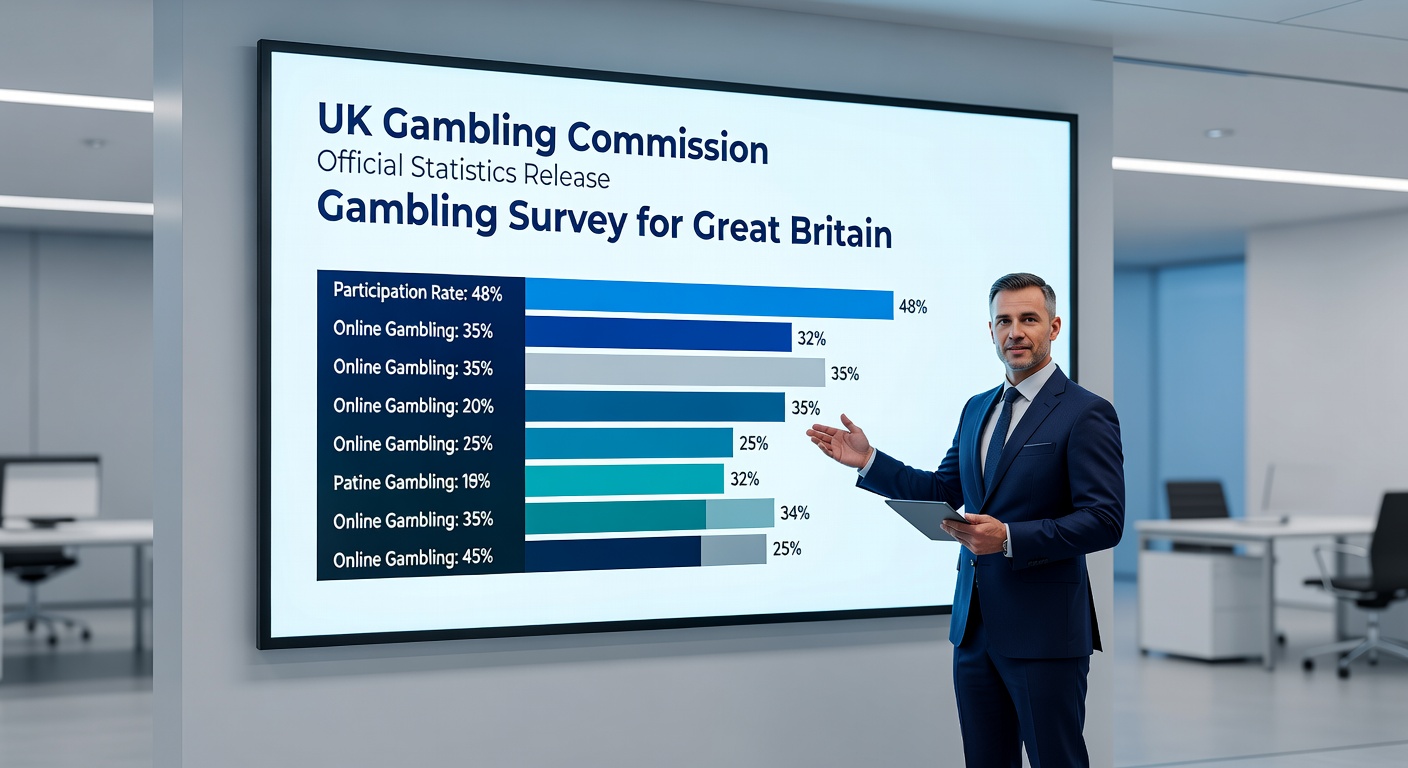
But here's the thing: while the survey captures a four-week window, the lift in horse racing underscores broader appeal, especially online where 10% of digital gamblers chased sports and races; that's where the rubber meets the road for operators balancing excitement with the Commission's push for safer play, like stake limits and session reminders that have become standard by spring 2026. Figures from the data tables confirm this interplay, showing betting's third-place ranking holds firm behind the instant-gratification duo of lotteries and scratchers.
People who've studied past waves often discover similar patterns, yet this three-point climb to 12% feels noteworthy because it bucks any notion of decline; instead, it signals betting's entrenched role, particularly as regulatory eyes stay fixed on harm reduction while participation chugs along at 47% overall.
Online Betting's Slice of the Action
Turning to the digital realm, that 10% figure for online sports and racing among gambling participants highlights how betting has gone virtual without losing its thrill; apps buzz with in-play options during races at Ascot or football fixtures that bleed into the summer, drawing users who might skip the high street for the convenience of their phones. And since the survey spans April to July 2025, it catches the tail end of spring jumps and the ramp-up to flat racing's glory, explaining the online surge alongside traditional forms.
Observers note the stability in total participation at 47%, which includes everything from slots to bingo, yet betting's gains suggest a reallocation; lottery draws still lead, scratchcards follow close, and then comes this 12% betting bloc that's grown by three points, with horse racing's 7% providing the horsepower. It's not rocket science: big events drive the numbers, and online channels amplify them, creating a feedback loop that keeps the sector humming even as April 2026 brings fresh scrutiny on operator compliance.
One case from the data shows how these metrics inform policy; the Commission's safer gambling agenda, with its emphasis on data-driven interventions, uses surveys like GSGB to benchmark progress, ensuring that rises in participation don't spell trouble but rather informed engagement.
Broader Context and Regulatory Lens
Amid these figures, the Gambling Commission's release comes at a time when safer gambling remains front and center, with betting's uptick to 12% feeding into discussions on how to protect while permitting play; overall stability at 47% reassures that the market isn't exploding unchecked, but the three-point betting increase, horse racing's 7%, and online's 10% share prompt closer looks at vulnerability spots. Data from Wave 2, now public as of early 2026, equips stakeholders with tools to navigate this, from affordability checks rolled out industry-wide to enhanced self-exclusion portals that users access seamlessly.
Yet seasonal factors can't be ignored; April to July 2025 overlapped with racing's prime time, so punters piled in for the Grand National's aftermath or the Oaks and Coronation Cup, pushing horse betting higher and pulling online numbers along. That's where patterns emerge clearest, as researchers compare waves and spot not just spikes but sustainment.
And for online gamblers, that 10% engagement with sports and racing means platforms are key battlegrounds for balancing fun and responsibility; by April 2026, updates to licensing conditions have operators logging more data, feeding back into surveys like this one to refine approaches.
Conclusion
The GSGB Wave 2 stats lay it out plainly: betting participation at 12%, a three-point rise to third place, horse racing at 7% on seasonal wings, online sports and racing at 10% of digital activity, all within a steady 47% overall gambling rate that underscores enduring habits amid regulatory evolution. Figures like these, straight from the Commission's data tables, guide the path forward, highlighting growth spots while safer gambling measures take hold; as Britain heads deeper into 2026, these trends will keep shaping bets placed, races watched, and policies honed, keeping the landscape dynamic yet data-driven.