Verification Timelines Influence Bonus Activation Among New Account Holders on Regulated Platforms
Tina Schmid · Jul 30, 2026
Verification Timelines Influence Bonus Activation Among New Account Holders on Regulated Platforms
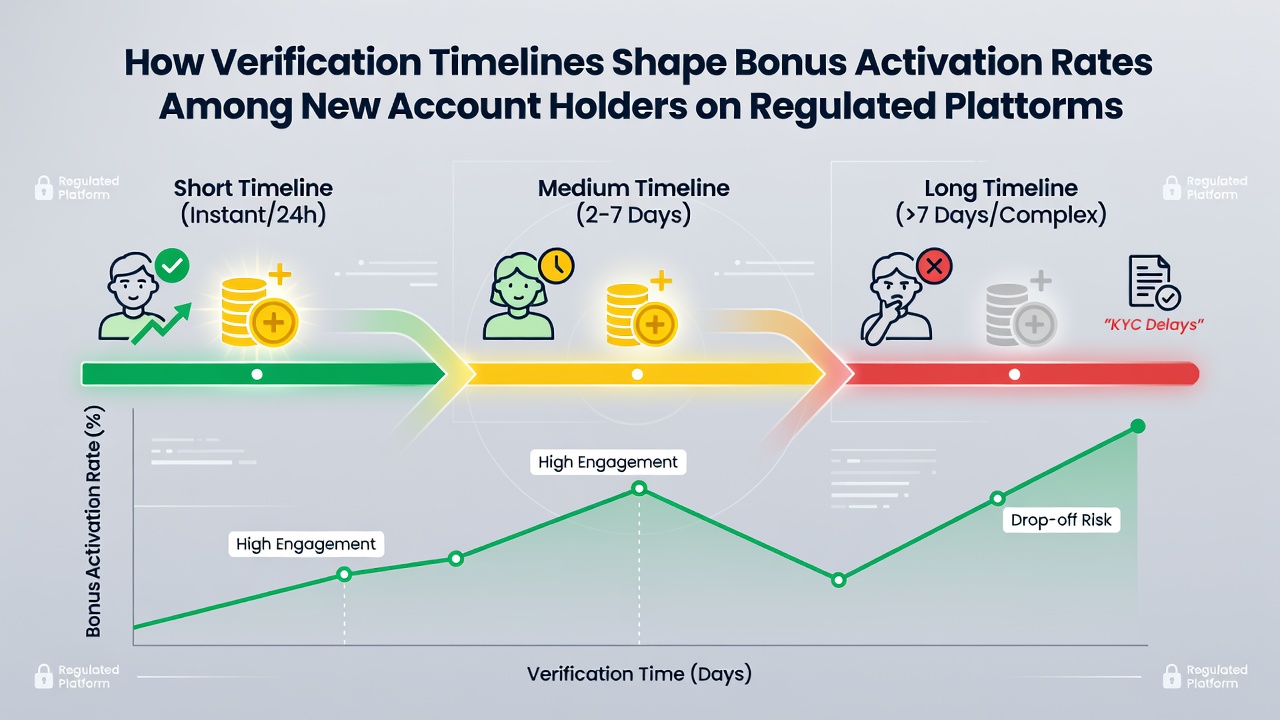
Account verification processes on regulated platforms determine how quickly new users can access welcome bonuses, and data from multiple jurisdictions shows clear patterns between processing speeds and activation success. Operators require identity checks that include document uploads, address confirmation, and sometimes biometric scans before releasing promotional funds, yet the duration of these steps varies widely across different regulatory environments.
Core Elements of Verification Procedures
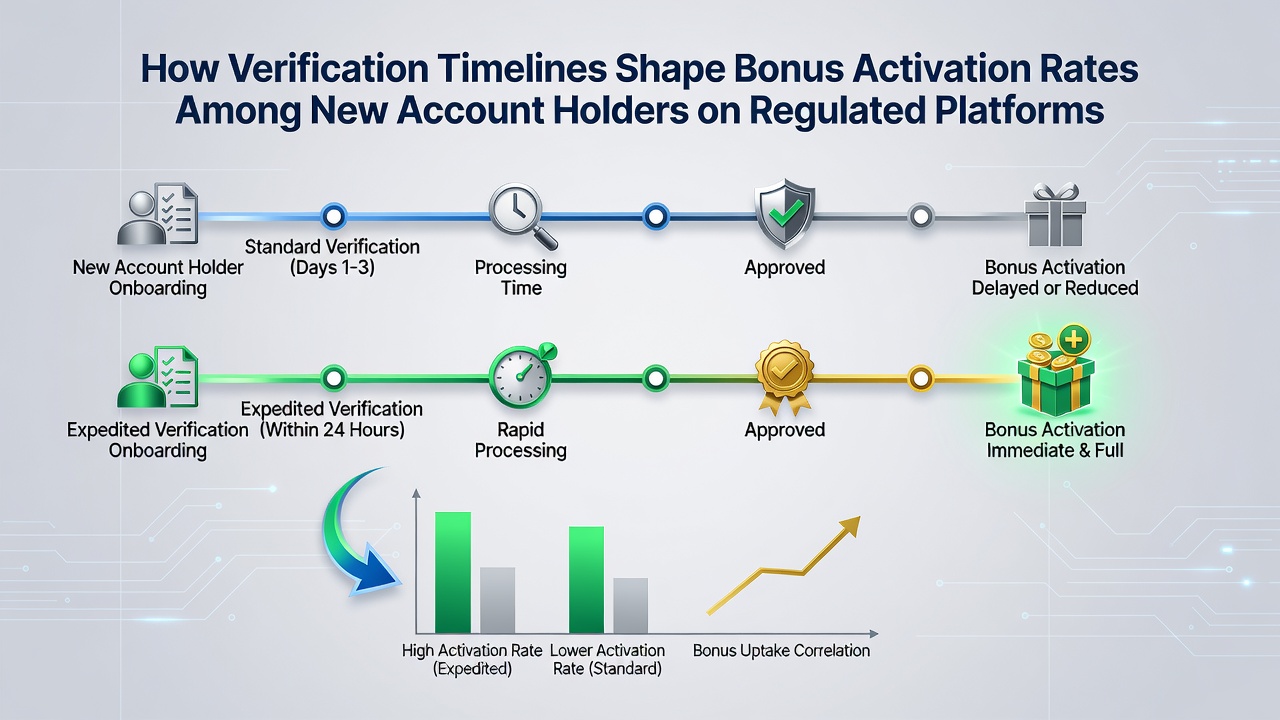
Regulated platforms follow structured identity verification steps mandated by licensing authorities, and these steps typically involve submission of government-issued identification, proof of address, and payment method validation. Research from the University of Nevada's International Gaming Institute indicates that platforms completing checks within 24 hours record activation rates up to 35 percent higher than those requiring three or more days, because users lose interest when delays extend beyond initial sign-up enthusiasm. Automated systems handle most routine cases while manual reviews address discrepancies such as mismatched addresses or incomplete documentation, and this two-tier approach creates measurable differences in completion times across operators.
Timeline Variations Across Markets
European operators using centralized verification databases often finish checks faster than those in North American markets where state-by-state rules apply, and Australian data compiled through the National Consumer Protection Framework reveals similar regional differences tied to local compliance requirements. In July 2026 figures compiled from licensed operators showed average verification completion times ranging from four hours in jurisdictions with integrated digital ID systems to 72 hours where additional manual oversight remained mandatory. Shorter timelines correlate directly with higher bonus activation because new account holders tend to engage immediately after registration, whereas extended waits lead many to abandon the process before funds become available.
Impact on User Behavior and Retention
New account holders who complete verification quickly show stronger patterns of bonus redemption followed by continued platform activity, according to aggregated transaction data from multiple licensed operators. Those facing multi-day delays demonstrate lower activation rates and reduced return visits once the initial registration momentum fades. Operators that deploy real-time document scanning tools combined with AI-assisted fraud detection maintain shorter average processing windows, and these platforms report consistent improvements in promotional offer uptake compared with peers relying on slower legacy review methods. One analysis of operator performance metrics found that each additional day of verification delay reduced bonus activation probability by approximately 12 percent among first-time registrants.
Regulatory Requirements and Operational Responses
Licensing bodies across different regions set baseline standards for customer due diligence that operators must meet before releasing any promotional credits, and these standards directly shape the verification infrastructure each platform implements. Platforms in markets with strict anti-money laundering rules often add extra verification layers that extend timelines, yet many have introduced parallel fast-track options for straightforward applications to balance compliance with user experience. Data compiled by the Canadian Centre for Gaming Research shows operators offering expedited verification pathways achieve activation rates 28 percent above industry averages because they reduce friction during the critical post-registration window. Those who've studied operator performance note that technology investments in verification automation deliver measurable returns through higher promotional engagement metrics.
Comparative Data From Multiple Regions
Studies conducted in both European and Asia-Pacific markets demonstrate consistent relationships between verification speed and bonus redemption success, while North American operators show similar trends once adjusted for differing state regulations. Platforms that integrate third-party identity services reduce average processing times substantially and record corresponding gains in activation statistics. A 2025 report published by the International Association of Gaming Regulators examined over 2 million new account registrations and confirmed that verification completed within one business day produced the strongest activation outcomes across all examined jurisdictions. The same research highlighted how seasonal peaks in new registrations during major sporting events place additional pressure on verification teams, leading some operators to scale resources accordingly in July 2026.
Conclusion
Verification timelines serve as a measurable factor in bonus activation rates among new account holders on regulated platforms, with shorter processing windows consistently linked to higher redemption percentages across multiple markets. Operators continue adapting their systems to meet regulatory standards while minimizing delays that reduce promotional engagement, and available data from academic and industry sources confirms the direct relationship between speed and success. As platforms refine verification technologies in response to evolving compliance expectations, activation patterns will likely continue reflecting these operational choices.