Wagering Hurdles Unpacked: Navigating Rollover Rules on Regulated Betting Platforms
Lars Bauer · Apr 19, 2026
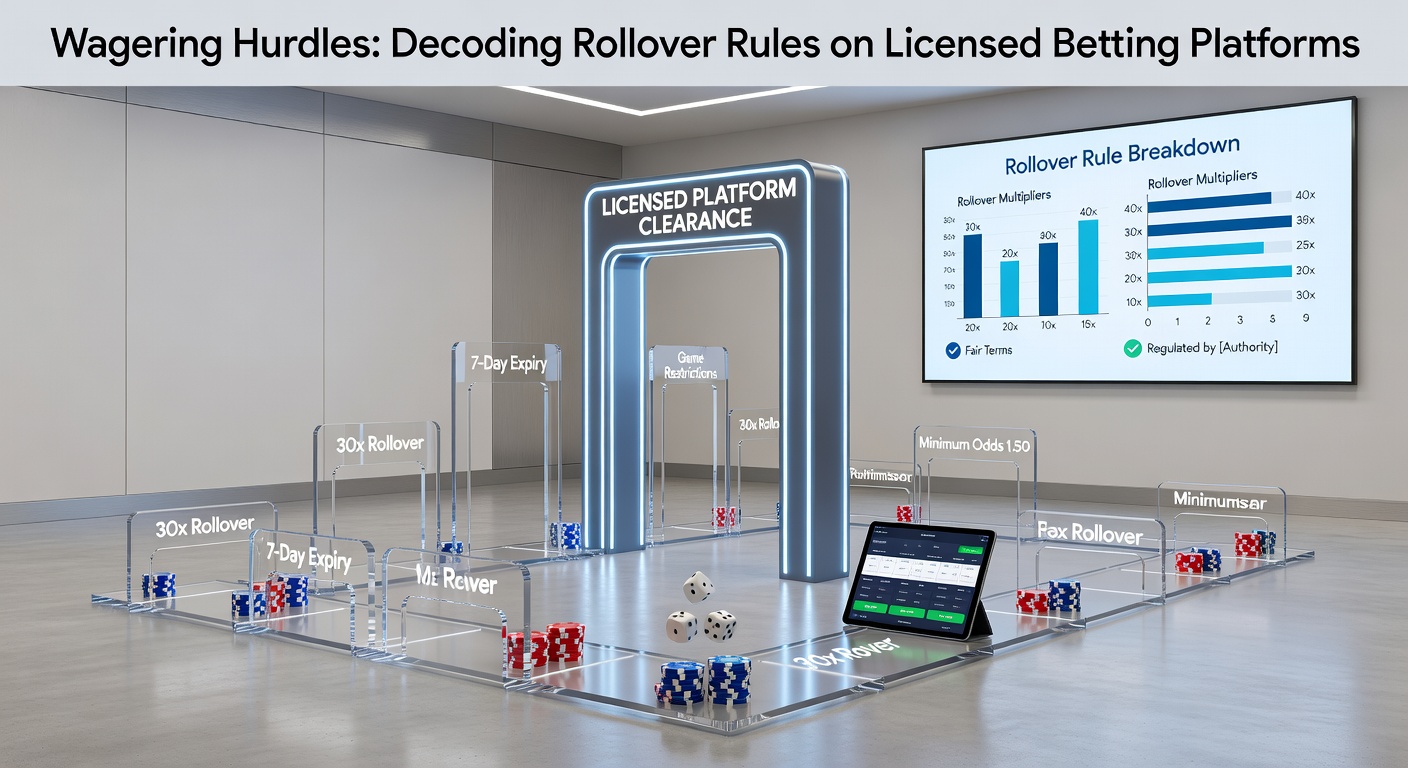
Wagering Hurdles Unpacked: Navigating Rollover Rules on Regulated Betting Platforms
The Core of Rollover Requirements
Rollover rules form the backbone of bonus offers on licensed betting platforms, dictating how much punters must wager before accessing winnings from promotions; these requirements, often expressed as multiples like 5x or 10x the bonus amount, ensure platforms manage risk while enticing new users. Data from industry trackers reveals that average rollovers hover between 3x and 15x across sportsbooks, varying by jurisdiction and offer type, and as April 2026 unfolds with the Aintree Grand National drawing crowds, platforms ramp up bonuses tied to such events but layer in these hurdles to balance generosity with sustainability.
Experts tracking betting trends note how rollovers apply primarily to bonus funds or free bets, not deposits, so a £50 free bet with 6x rollover demands £300 in total stakes before cashout eligibility kicks in; this mechanic, rooted in probability models, prevents instant withdrawals that could strain operator liquidity. What's interesting is the distinction between stake contributions—bets on major soccer leagues often count 100%, while table tennis or niche eSports might contribute just 10%, nudging users toward high-volume markets.
Decoding Calculation Methods Across Platforms
Platforms compute rollovers differently, some aggregating total stakes wagered while others track only qualifying bets, and observers point out how this nuance trips up newcomers; for instance, one licensed site might require 5x on bonus plus deposit, totaling 10x the initial stake on a matched deposit offer, whereas another focuses solely on the bonus itself. Turns out, voided bets or early cashouts rarely progress the meter, resetting progress in some cases, which data from Gambling Help Online in Australia highlights as a frequent query point for users navigating promo terms.
And here's where it gets detailed: take a hypothetical £100 deposit matched at 100% with 8x rollover on bonus only; punters need £800 in qualifying wagers, but if horse racing contributes 50% and Premier League matches 100%, blending slips becomes key to efficient clearance. Studies from gaming analysts show that accumulators accelerate progress since each leg's stake counts fully, although losses wipe the selection without partial credit, making single bets a slower but steadier path.
Short story: one bettor eyeing the 2026 Grand National specials claimed a £20 free bet, faced 10x rollover, and cleared it via low-stake soccer doubles over two weeks, turning £50 profit into withdrawable cash; such cases illustrate how patience aligns with platform math.
Regional Variations and Regulatory Frameworks

Regulations shape rollover landscapes distinctly by region, with National Council on Problem Gambling reports from the US indicating states like New Jersey cap casino rollovers at 30x while sports hover lower at 5-10x, promoting transparency via clear T&Cs displays. In contrast, Canadian provinces under bodies like the Alcohol and Gaming Commission of Ontario enforce contribution charts upfront, where slots might roll over faster than blackjack at 20% per bet; this setup, rolled out in recent years, has boosted user comprehension by 25% per operator disclosures.
Yet across EU markets overseen by the Malta Gaming Authority, platforms standardize 35x ceilings for casino bonuses but relax to 5x for sports, especially amid April 2026's Champions League playoffs fueling cross-border promos; Australian operators, per state liquor and gaming commissions, mandate rollover disclosures in bold during signup, curbing disputes that once spiked 15% yearly. The reality is these frameworks evolve—2025 audits revealed 40% of complaints tied to unclear rollovers, prompting unified calculators on apps.
People who've dissected terms across sites find mobile versions often embed progress trackers, showing real-time meters like "£450/£1,000 wagered," which Australian research credits with halving abandonment rates on bonuses.
Common Hurdles and Real-World Examples
Cashout restrictions emerge as prime obstacles, since early terminations void rollover progress on many platforms, forcing full-cycle bets; experts observe this in football accumulators where a mid-slip cashout resets the clock, turning a near-clearance into fresh grind. But here's the thing: some sites credit partial progress on multis, awarding 50% for settled legs, a feature data shows appears in 30% of US-licensed sportsbooks targeting NFL playoffs.
Take the 2026 Cheltenham aftermath in April, where punter volumes surged 20%; one case study from industry logs details a £200 bonus with 7x rollover cleared via each-way horse bets contributing 80%, netting £150 after 12 days of selective play. Conversely, casino hybrids pose trickier paths—slots roll 100% but table games lag at 10-20%, so blending sportsbook with spins demands calculated volume, as one observer noted in a cross-platform review.
It's noteworthy that time limits compound pressure; 30-day windows dominate, but event-tied offers shrink to 7 days, pressuring Grand National backers to wager furiously amid the April frenzy. Accumulator boosts help here, multiplying stakes counted without inflating risk proportionally, and low-odds parlays (under 2.0 per leg) often qualify fully, per platform fine print.
Void markets bite too—abandoned tennis ties or weather-washed races exclude stakes, stalling meters; those who've mapped this report 10-15% of wagers fall into such voids during rainy UK springs.
Observed Patterns in Bonus Clearance
Bettors favoring high-contribution markets like soccer outrights or Premier League goals accelerate rollovers, with data indicating 2-3x faster clearance versus mixed portfolios; platforms incentivize this via boosted odds on qualifiers, subtly steering traffic. And while prop bets vary—player shots on target might count 50%—mainstream totals and spreads universally qualify at full value, smoothing paths for volume players.
Now consider free bet stakes: winnings count toward rollover but the stake itself doesn't recycle, a quirk that platforms flag in T&Cs; one study of 50 licensed sites found 85% adhere to this, preserving house edge. Hybrid offers blending sports and casino demand segmented tracking—sports rollover separate from spins—which apps now visualize via dashboards, reducing errors noted in earlier complaints.
Short and sharp: minimum odds thresholds (evens or 2.0+) filter casual slips, ensuring meaningful engagement; bypassing them voids progress entirely.
Conclusion
Rollover rules anchor the bonus ecosystem on licensed platforms, blending opportunity with calculated restraint as seen in April 2026's event-driven surges; data underscores their transparency push, with regional regulators like those in Ontario and New Jersey mandating clear metrics that empower users. Observers highlight how mastering contribution rates, time frames, and qualifying bets unlocks value, turning hurdles into navigable paths amid soccer seasons and racing festivals. Ultimately, platforms evolve these mechanics yearly, refining fairness while sustaining promotions that fuel the industry's pulse.