Wiring the Wins: Dissecting the Infrastructure Linking Payment Options to Promotional Unlocks at Regulated Sites
Blake Schmid · May 21, 2026
Wiring the Wins: Dissecting the Infrastructure Linking Payment Options to Promotional Unlocks at Regulated Sites
Payment systems at regulated betting sites operate through tightly integrated networks that verify transactions and trigger promotional features in real time, and this infrastructure has grown more sophisticated as operators respond to evolving compliance rules across multiple jurisdictions.
Data from industry analyses show that deposit methods such as e-wallets, bank transfers, and card payments feed directly into backend platforms where algorithms assess eligibility for bonuses, free bets, or cashback tiers based on predetermined criteria including deposit amount, frequency, and user account history.
Core Components of the Payment-Promo Linkage
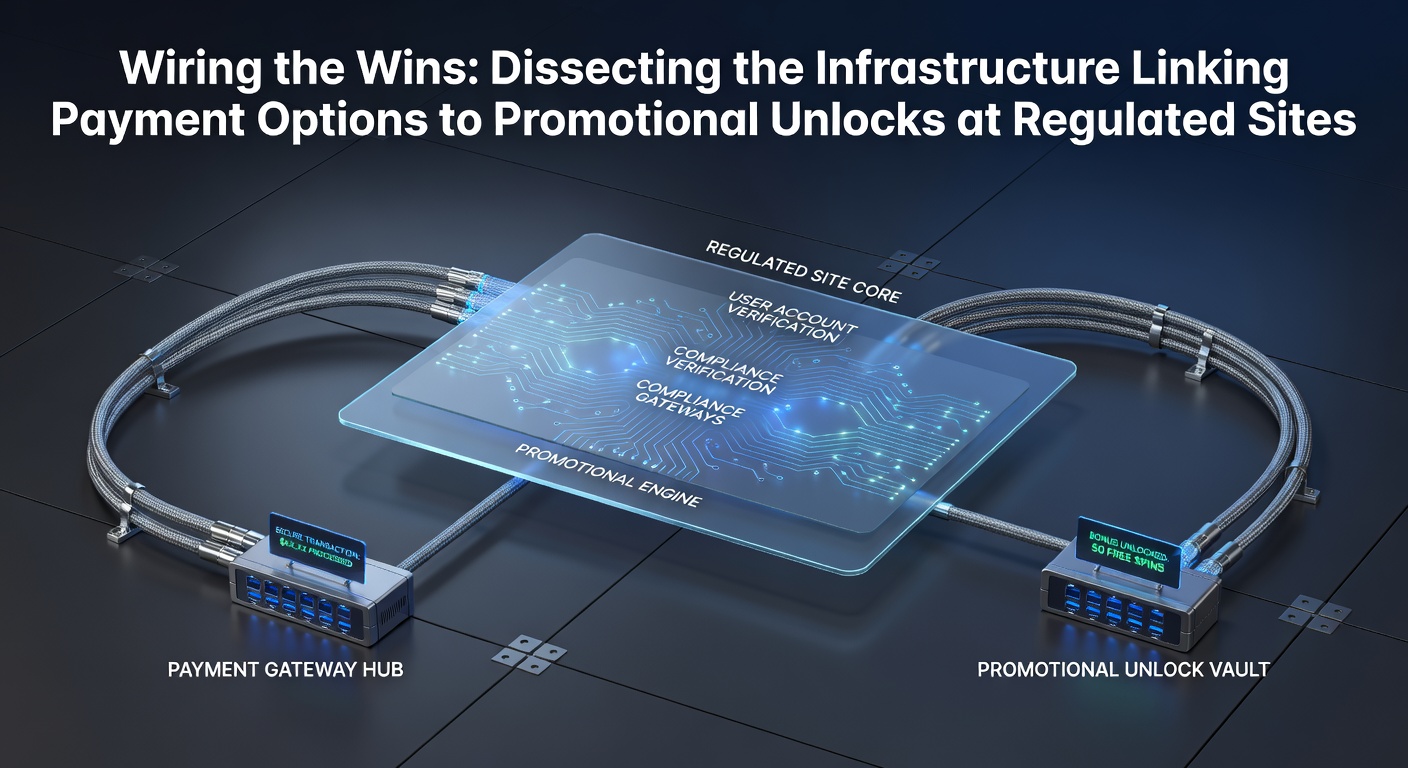
At the foundation sits an application programming interface layer that connects external payment processors to the operator's internal reward engine, and this connection allows instantaneous checks against regulatory requirements such as age verification and responsible gambling flags before any promotional credit appears in an account.
Experts have observed that many platforms segment payment types into categories that carry different unlock potentials, so a deposit via certain digital wallets might activate a welcome bonus while a traditional bank transfer routes to a separate cashback program instead, and these distinctions arise from negotiated agreements between operators and financial service providers.
Security protocols embedded in the system encrypt transaction details while simultaneously logging metadata that later supports audit trails required by oversight bodies, and this dual function keeps both financial integrity and promotional fairness intact during high-volume periods.
Regulatory Frameworks Shaping the Infrastructure
Authorities in various regions have introduced standards that dictate how clearly operators must disclose the connection between payment choices and promotional outcomes, and in May 2026 several jurisdictions updated their guidelines to require explicit on-screen explanations before a deposit completes.
According to reports published by the Nevada Gaming Control Board, operators must maintain detailed records showing which payment channels correspond to specific reward structures, and these records help regulators verify that promotional unlocks do not inadvertently encourage excessive play.
Researchers at academic institutions studying digital gambling ecosystems have documented similar requirements emerging in other markets, where the emphasis lies on preventing opaque systems that could obscure the true cost or benefit of any given deposit method.

Technical Workflows in Action
When a user selects a payment option the platform initiates a sequence that begins with funds authorization, moves through compliance screening, and concludes with the reward engine applying any qualifying unlock, and this entire process typically completes within seconds thanks to cloud-based computing resources.
One study revealed that platforms employing machine learning models can predict which payment methods a user is likely to choose and pre-load corresponding promotional offers, yet these predictions remain subject to strict human oversight to avoid breaching fairness rules.
Case examples from major operators demonstrate that integrating customer relationship management databases with payment gateways allows personalized unlocks, such as loyalty tier advancements triggered only after a minimum number of qualifying deposits within a calendar month.
Challenges and Ongoing Adjustments
Operators face continual pressure to update these systems whenever new payment technologies enter the market or when regulators revise disclosure standards, and delays in synchronization between payment processors and promo engines can result in temporary mismatches that affect user experience.
Industry organizations including the International Association of Gaming Regulators have published guidance encouraging standardized data formats that would streamline these integrations across borders, and several large operators have already begun pilot programs using those formats.
What's interesting is how the same infrastructure that supports promotional unlocks also feeds into broader responsible gambling tools, since deposit patterns recorded through the system help flag potential issues before they escalate.
Conclusion
The infrastructure linking payment options to promotional unlocks at regulated sites continues to evolve in response to technological advances and regulatory expectations, and observers note that successful implementations balance speed, security, and transparency without compromising either operational efficiency or player protections.
Those who monitor these developments expect further refinements in the coming years as new payment rails and data standards become commonplace across licensed markets worldwide.